How much is insurance on a Hyundai Venue?
A 2024 Hyundai Venue runs about $2,000 a year for a typical 45-year-old, about the same as an average car of the same age: more injury claims and more damage to others' property and lower non-crash losses and lower crash-repair losses about even out. Putting a new 16-year-old on a family policy with the Venue adds about $1,320 a year (#40 of 52 small SUVs we compare).
2024 Hyundai Venue (Venue), national average
about $2,000 a year (about $165 a month)
Estimated range: $1,450–$2,700. Actual quotes can fall outside it.
An average car of the same age (what HLDI's 2022–24 results measure against) runs about $1,940 a year. A used 2022 Venue drops to about $1,890 (see the table below).
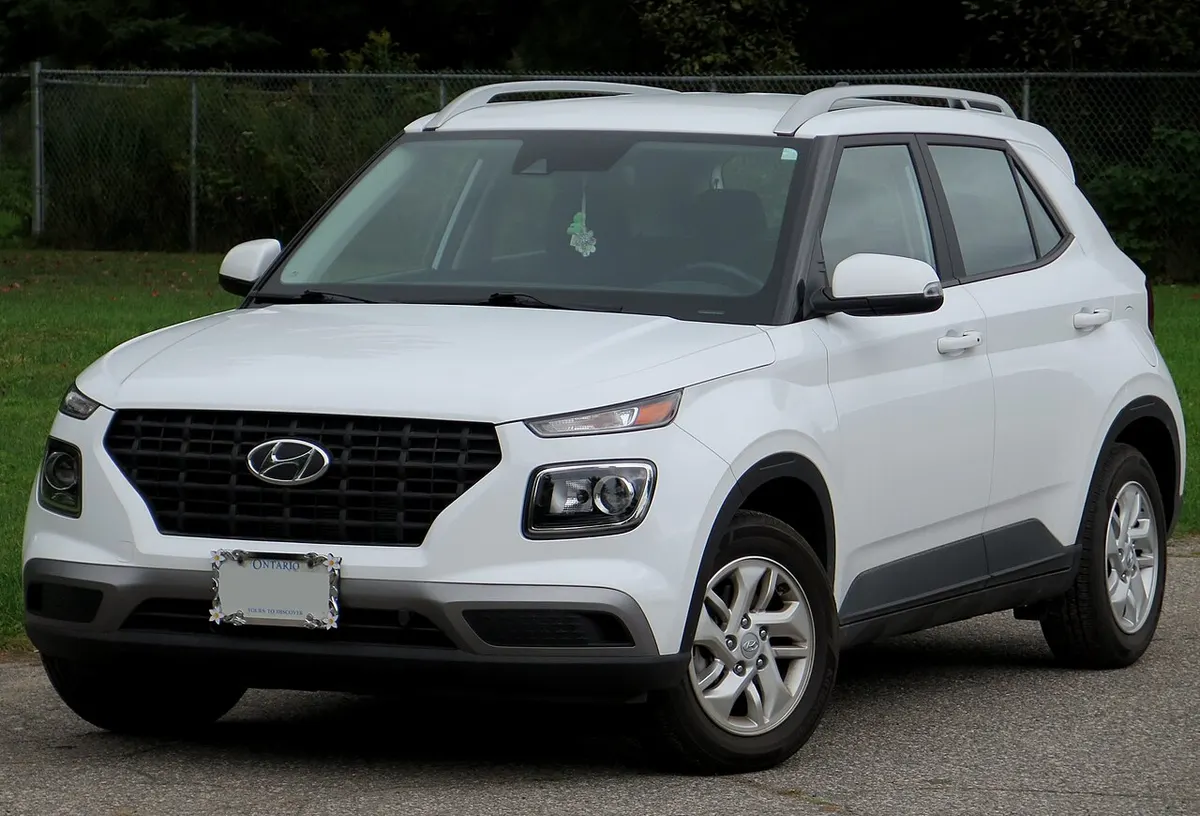

Priced for the 2024 Venue, the newest year covered by HLDI's loss data (2022–24 models), for a 45-year-old driver with a clean record and full coverage. HLDI's results combine drivers of all ages. We apply them to one example driver (a 45-year-old with a clean record) so pages are comparable; they aren't specific to 45-year-olds. Each state raises or lowers every car's price by the same percentage, so the Venue's rank is the same in every state.
Why the Hyundai Venue costs what it does
What HLDI reports (2022–24 models, all drivers combined)
The Highway Loss Data Institute (HLDI) compares each model's insurance losses with an average car's. For the Hyundai Venue 4dr, on HLDI's scale where 100 is an average car and lower is better, it reports 92 for crash repairs, 77 for non-crash damage, 114 for damage to others' property, and 125 for injury claims.
- Crash repairs (collision)fixing this car after a crashAverage8% better than average30th best of the 52 small SUVs we compare
- Non-crash damage (comprehensive)theft, weather, fire, vandalism, glass, and animal strikesBetter than average23% better than average23rd best of the 52 small SUVs we compare
- Damage to others' property (property damage liability)other people's cars and property, when this car's driver is at faultAverage14% worse than average48th best of the 52 small SUVs we compare
- Injuries to others (bodily injury liability)how often injury claims are filed against this car's drivers, not how much they costWorse than averagefiled 25% more often than average44th best of the 47 small SUVs we compare
HLDI rates results within about 20% of average as “Average.”
Source: HLDI, insurance losses by make and model, 2022–24 models.
What we estimate that means for price
Prices move less than loss results do: a car's loss record is only one of many things insurers weigh, and each weighs it differently. So we count only part of HLDI's difference. Combining crash repairs and non-crash damage (weighted about 71% and 29%, the share each makes up of industry claim costs), the Venue comes out about 12% better than average. We count about 40% of that difference, so the part of the bill that fixes the car is about 5% less than average: about $910 a year vs $950. On the liability side, damage to others and injury claims combine to about 20% worse than average. We count about half, so that part is about 11% more: $1,100 a year vs $990.
In EPA size classes, the Venue is a small SUV (gas-powered). In Highway Loss Data Institute loss tables, the Hyundai Venue is benchmarked against mini SUVs.
Matched to HLDI series “Hyundai Venue 4dr” (HLDI, 2022–24 models).
A used Hyundai Venue, by model year
| Model year | Full coverage | Liability only | Adding a teen | Teen on their own policy |
|---|---|---|---|---|
| 2024 Venue (0–3 years old) | about $2,000 | about $1,100 | +$1,320 | about $5,740 |
| 2022 Venue (4–7 years old) | about $1,890 | about $1,100 | +$1,250 | about $5,430 |
Our catalog covers the Hyundai Venue across model years 2020–2027. Full coverage on a used 2022 Venue (4–7 years old) runs about $1,890 a year, $110 less than on a 2024. Dropping collision and comprehensive on that 2022 brings liability-only coverage to about $1,100 a year. Each photo shows that year's generation of the car. Photo credits.
For the 2024 Hyundai Venue, our catalog lists the Venue configuration at about $2,000 a year.
On a policy of their own with a 2024 Hyundai Venue, a 22–25-year-old pays about $2,600 a year ($600 more than a 45-year-old), a 26–39-year-old about $2,220, and a driver 65 and older about $2,100.
Adding a 16-year-old with a Hyundai Venue
Adding a new 16-year-old who drives the Hyundai Venue raises the family bill by about $1,320 a year ($110 a month), about the same as adding a teen with an average car of the same age. A separate policy for the 16-year-old runs about $5,740 a year, so keeping them on the family policy saves about $4,420 a year.
For adding a teen driver, the Hyundai Venue ranks 47th most expensive out of all 121 models we track. Stepping down to a used 2022 Venue (4–7 years old) brings the teen add-on to about $1,250 a year.
That increase is how much the family bill goes up with a new 16-year-old driving this car. Cheapest cars to insure for a teen.
Similar small SUVs
Among these 52 small SUVs, the Hyundai Venue is the 13th most expensive to insure. Right next to it are the Hyundai Ioniq 5 (about $1,950 a year) and the Kia Sportage (about $2,010).
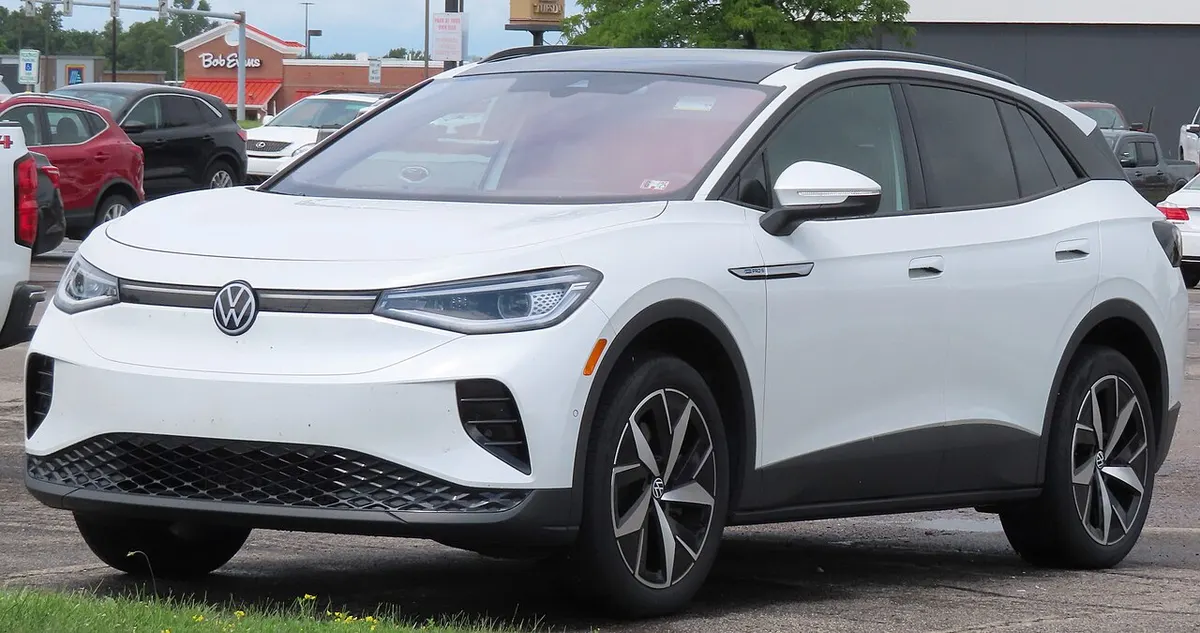 2024 Volkswagen ID.4about $1,920 ($80 less)
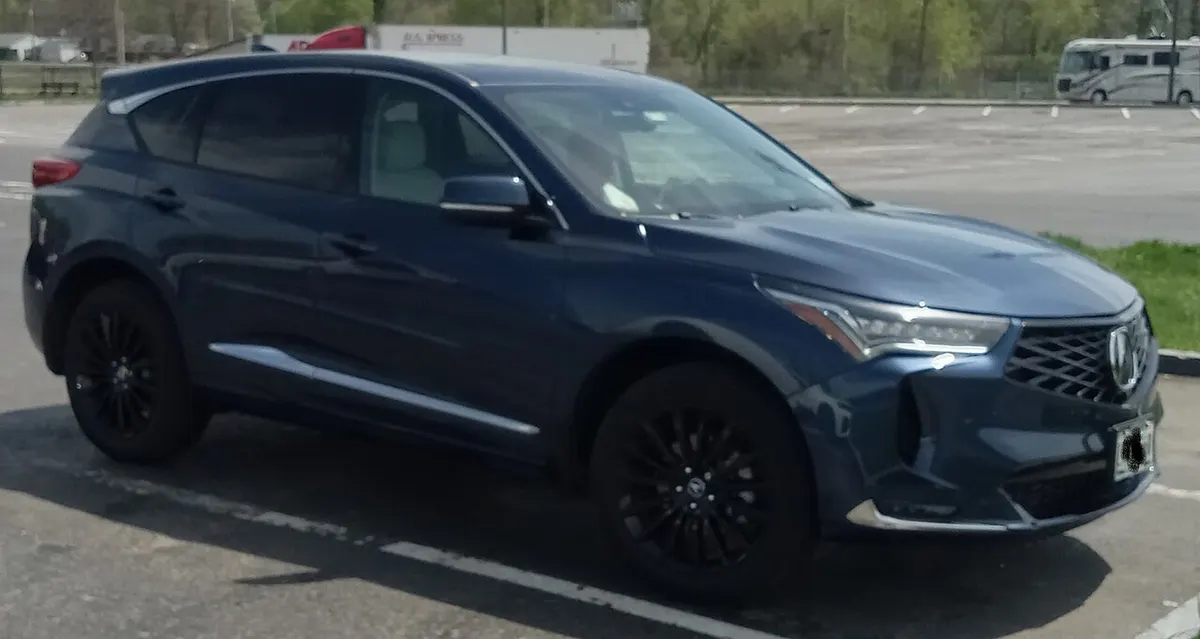 2024 Acura RDXabout $1,930 ($70 less)
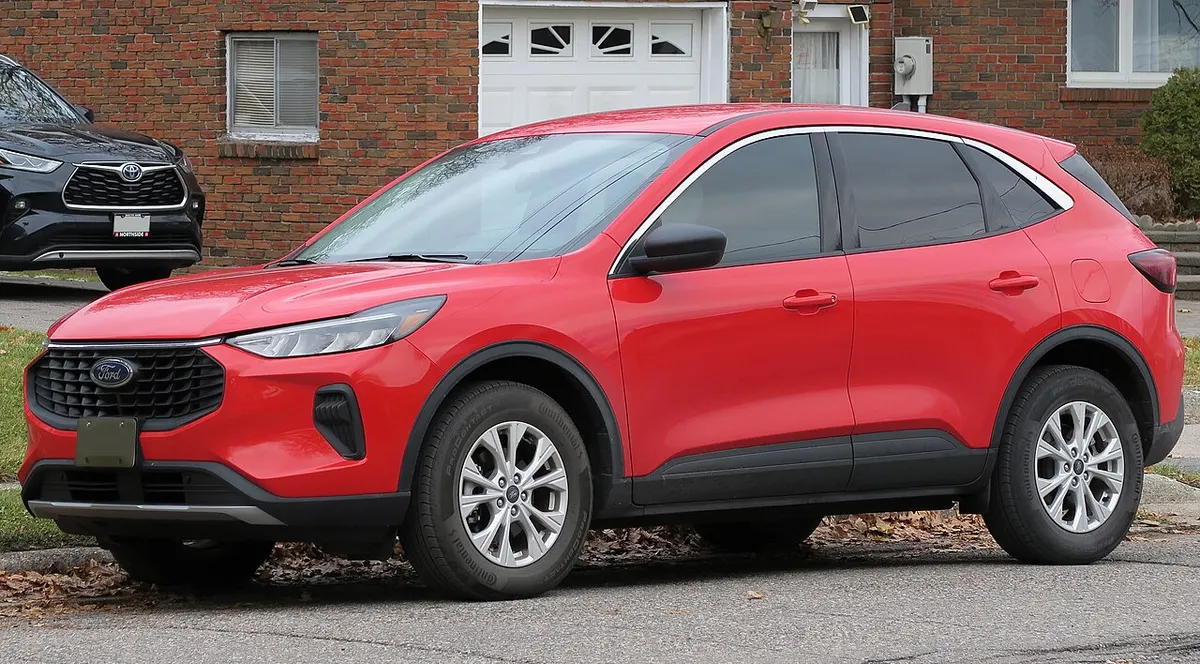 2024 Ford Escapeabout $1,930 ($70 less)
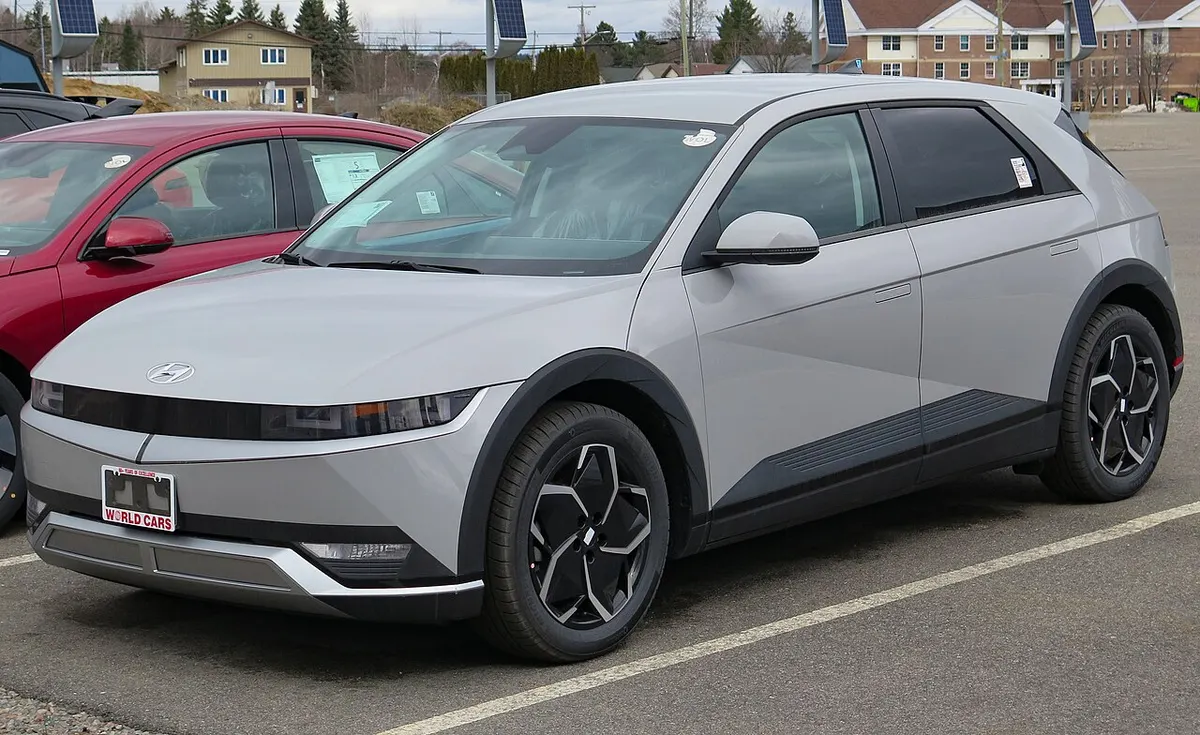 2024 Hyundai Ioniq 5about $1,950 (about the same)
- 2024 Hyundai Venueabout $2,000 (this car)
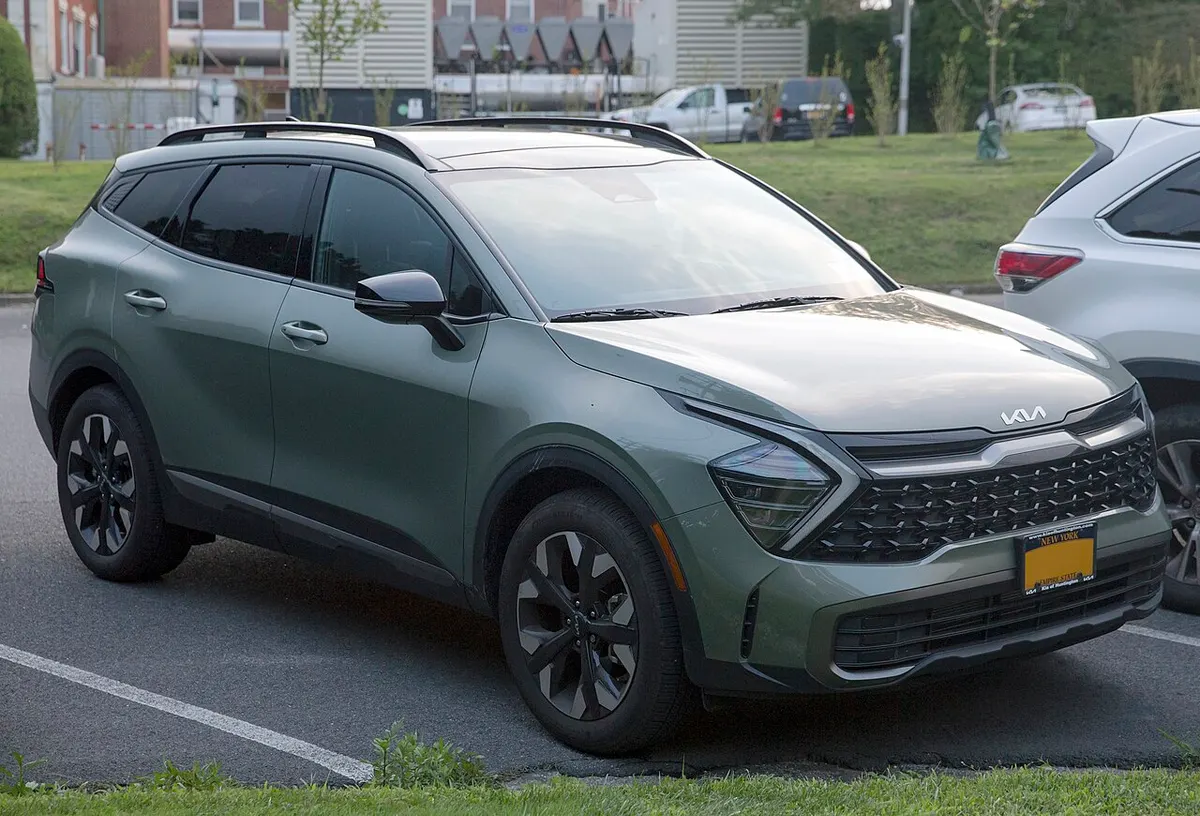 2024 Kia Sportageabout $2,010 (about the same)
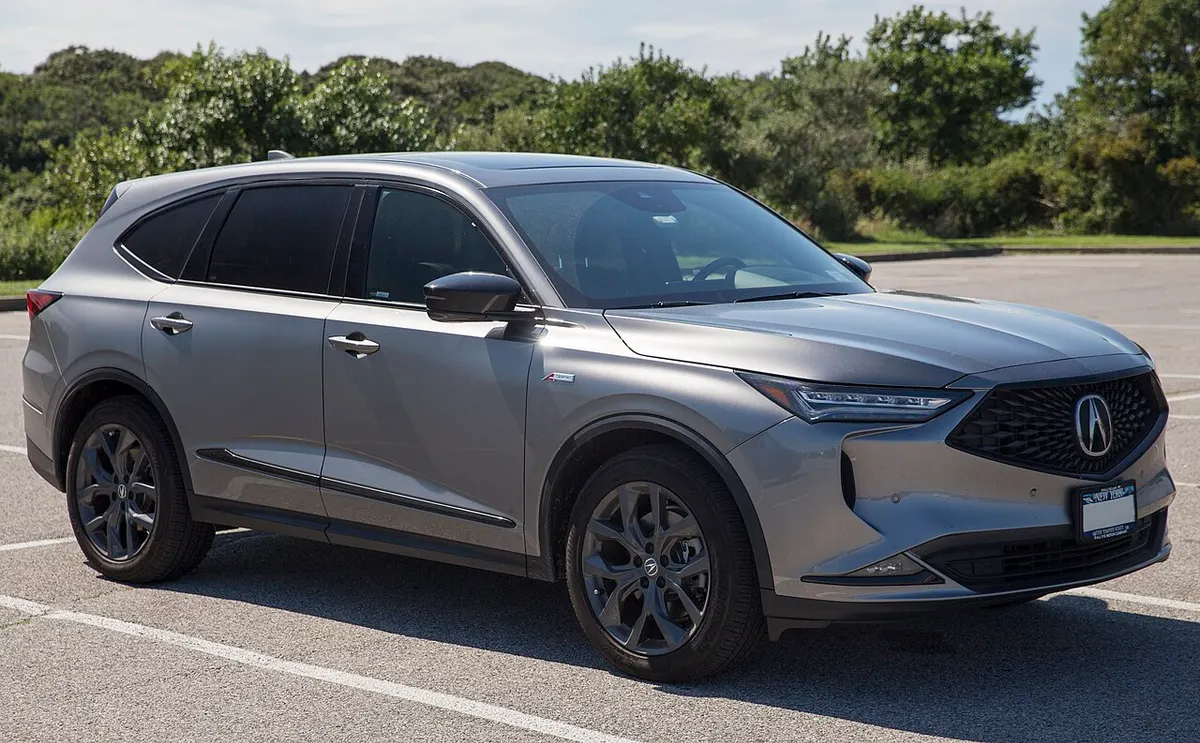 2024 Acura MDXabout $2,030 (about the same)
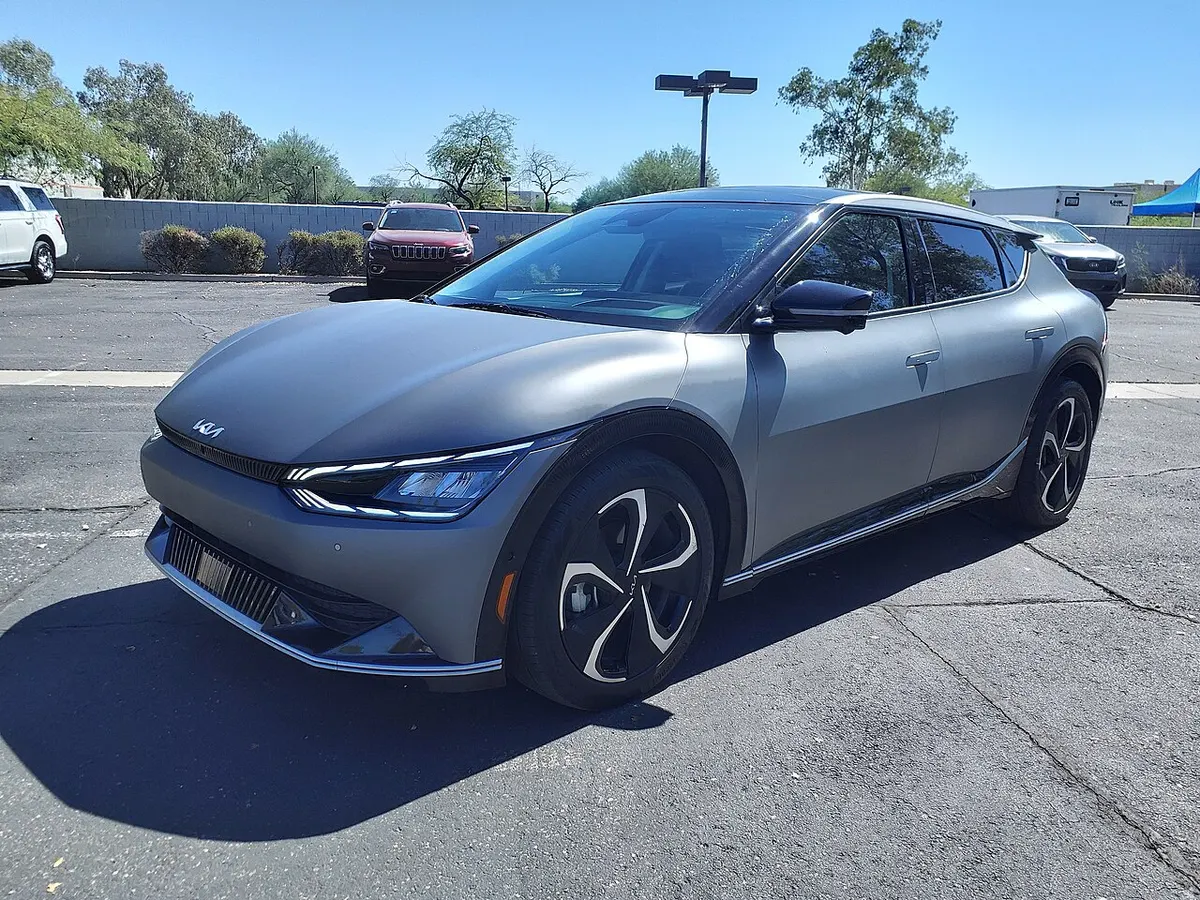 2024 Kia EV6about $2,030 (about the same)
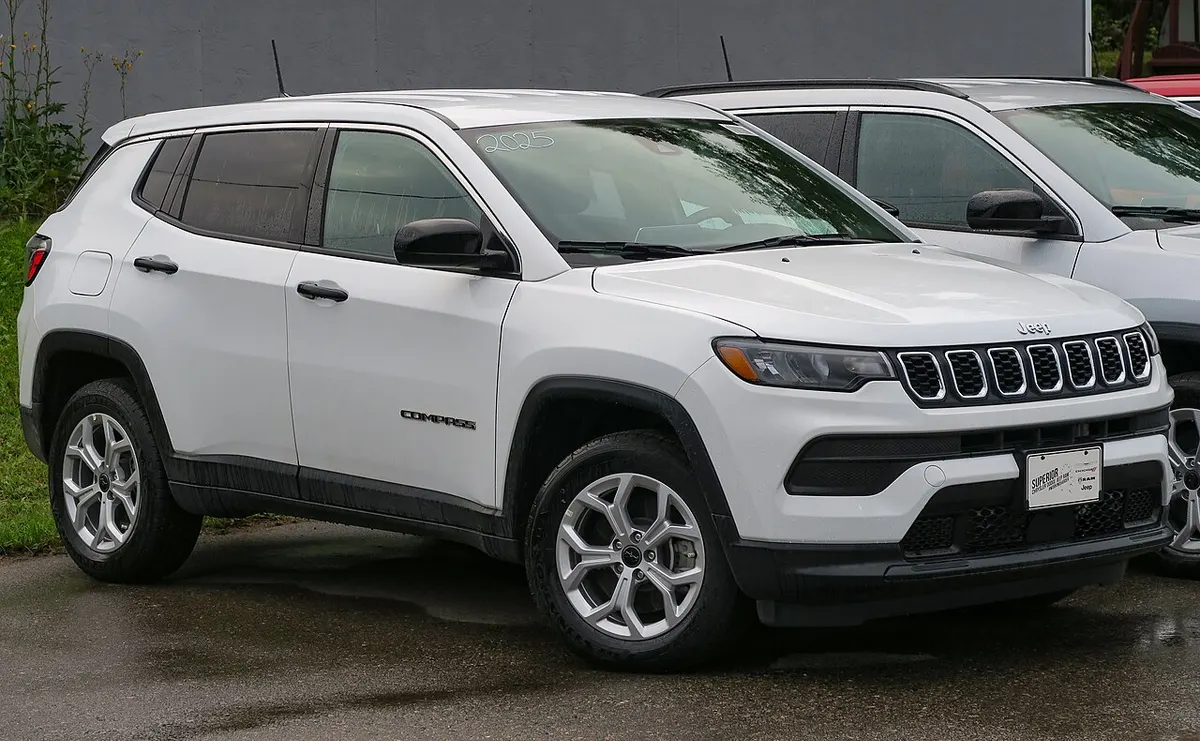 2024 Jeep Compassabout $2,040 (about the same)
Photos from Wikimedia Commons contributors. Photo credits.
What a Hyundai Venue costs in your state
In six sample states, a 2024 Hyundai Venue runs from about $1,340 a year in North Dakota through South Dakota, Washington, New Mexico and Maryland to about $2,400 in Texas:
- North Dakotaabout $1,340/yr · +$880 teen
- South Dakotaabout $1,610/yr · +$1,060 teen
- Washingtonabout $1,720/yr · +$1,130 teen
- New Mexicoabout $1,810/yr · +$1,190 teen
- Marylandabout $2,230/yr · +$1,470 teen
- Texasabout $2,400/yr · +$1,580 teen
All 50 states and DC · Updated .
Both start from your own situation if you've set one. For crash safety, see IIHS and NHTSA ratings.
This is an estimate to help you plan, not a quote. We don't sell insurance, and nothing you type is sent to us. Only an insurer can give you a real price.